
Light pollution and light pollution
Lighting can cause light pollution or light nuisance. This can arise from a variety of light sources. Often it can be prevented by properly directing the light or placing the right light source, right light shape.
Light nuisance
We speak of light nuisance when a light source causes nuisance. This can be a lamppost shining into a home. Light nuisance also affects flora and fauna. For example, because light from sports field lighting shines into nature because it is incorrectly adjusted. This disrupts the life of plants and animals resulting in a change in the quality of life, disruption of biological rhythms, disorientation and attraction by light (with potentially fatal results for birds and insects, among others).
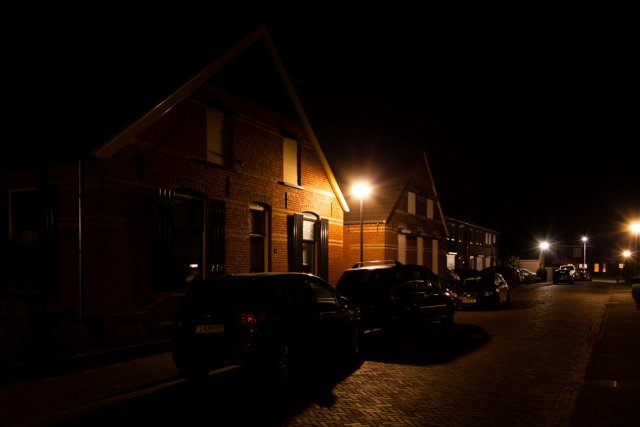
Light pollution
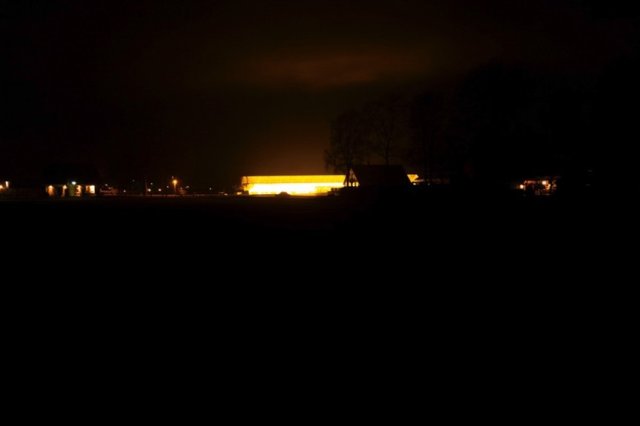
We speak of light pollution (also called horizon pollution) when a glow of light is visible from afar over an area. This can be caused, for example, by greenhouses, stables, sports fields, advertising or businesses.
This is how we do it from now on
- We want to prevent unnecessary light nuisance and light pollution. We cannot do this alone, but we can do it together with our residents and business owners.
- We ask everyone to be more conscious of light and darkness. This can be done, for example, by:
- To be lit outside only when really necessary.
- Direct and shield the light well.
- And later in the evening, dim the light.
- Among other things, we use the 'Light Nuisance' guideline of the Dutch Foundation for Lighting Science. This states how much light is allowed on the facades of houses. This differs per area.